Blog Archive

Αλέξανδρος Γ. Σφακιανάκης

Monday, November 14, 2022

TMIC-78. CIRCADIAN REGULATOR CLOCK DRIVES IMMUNOSUPPRESSION IN GLIOBLASTOMA

alexandrossfakianakis shared this article with you from Inoreader
Abstract
The symbiotic interactions between cancer stem cells and the tumor microenvironment (TME) are critical for tumor progression. However, the molecular mechanism underlying this symbiosis in glioblastoma (GBM) remains enigmatic. Here, we show that circadian locomotor output cycles kaput (CLOCK) and its heterodimeric partner brain and muscle ARNT-like 1 (BMAL1) in glioma stem cells (GSCs) drive immunosuppression in GBM. Integrated analyses of the data from transcriptome profiling, single-cell RNA sequencing, and TCGA datasets, coupled with functional studies, identified legumain (LGMN) as a direct transcriptional target of the CLOCK–BMAL1 complex in GSCs. Moreover, CLOCK-directed olfactomedin-like 3 (OLFML3) upregulates LGMN in GSCs via the hypoxia-inducible factor 1-alpha (HIF1A) signaling. Consequently, LGMN promotes microglial infiltration into the GBM TME via upregulating CD162, and polarizes infiltrating microglia towards an immune-suppressive phenotype. In GBM mouse models, inhibition of the CLOCK–OLFML3–HIF1A–LGMN–CD162 axis reduces intratumoral immune-suppressive microglia, increases CD8+ T cell infiltration, activation and cytotoxicity, and synergizes with anti-PD1 therapy. In human GBM, the CLOCK-regulated LGMN signaling correlates positively with microglial level and poor prognosis. Together, these findings uncover the CLOCK–OLFML3–HIF1A–LGMN axis as a molecular switch that controls microglial biology and immunosuppression, thus revealing potential new therapeutic targets for GBM patients.
View on Web

CSIG-19. THE PI3K/AKT/MTOR SIGNALING CASCADE MAY CONTRIBUTE TO SEX DIFFERENCES IN GLIOBLASTOMA

alexandrossfakianakis shared this article with you from Inoreader
Abstract
Glioblastoma (GBM) is the most common and aggressive primary brain tumor in adults. It is more prevalent in males and female patients exhibit a survival advantage. Understanding the molecular mechanisms that underlie those sex differences could support novel treatment strategies. The PI3K/Akt/mTOR signaling cascade plays a crucial role in GBM development and progression as it is involved in the regulation of cellular growth, survival, nutrient sensing, and metabolic activity. To investigate whether the PI3K/Akt/mTOR signaling cascade may differ in male and female GBM patients, we first assessed survival data of male and female GBM patients using the TCGA RPPA phosphoproteome data set and found that changes in protein phosphorylation of components of the PI3K/Akt/mTOR pathway, including mTOR phosphorylation, worsen the outcome of male but not female GBM patients in a dose-dependent fashion. This was supported by in vitro experiments of murine tran sformed astrocytes where pathway stimulation via treatment with insulin, IGF-1, or EGF significantly increased pathway activity in male but not female cells. Furthermore, pathway inhibition via serum deprivation resulted in a significant decrease in pathway activity in male but not female cells, indicating that male transformed astrocytes exhibit higher sensitivity to inhibitory conditions (serum deprivation) and stimulatory conditions (insulin, IGF-1, or EGF treatment). Together, these data suggest that (i) the PI3K/Akt/mTOR pathway activity may affect male and female GBM outcome differently, and (ii) there are sex differences in the regulation of the PI3K/Akt/mTOR signaling cascade in GBM which may contribute to the sex disparity in GBM. Our data add to the growing body of literature regarding the presence of sex differences in PI3K/Akt/mTOR signaling in health and disease and provide important insight for the development of translatable approaches to treatment for male and female GBM patients.
View on Web

Varicella Zoster Virus Reactivation Following COVID‐19 Vaccination in patients with autoimmune inflammatory rheumatic diseases: A cross‐sectional Chinese study of 318 cases

alexandrossfakianakis shared this article with you from Inoreader

Abstract

Recently, varicella-zoster virus (VZV) reactivation has been observed after the administration of coronavirus disease 2019 (COVID-19) vaccines. Autoimmune inflammatory rheumatic diseases (AIIRDs) patients are at a higher risk for VZV reactivation for immunocompromised status. The study aimed to investigate the adverse events (AEs), especially VZV reactivation, following vaccination against SARS-CoV-2 in a Chinese cohort of AIIRD patients. A cross-sectional survey using an online questionnaire was conducted among AIIRD patients and healthy controls (HCs). Multivariate logistic regression was used to identify potential factors associated with VZV reactivation. 318 AIIRD patients and 318 age and sex-matched HCs who got COVID-19 inactivated vaccines were recruited. The main AIIRDs are rheumatoid arthritis (31.8%) and systemic lupus erythematous (23.9%). Most of patients (85.5%) had stable disease and 13.2% of them had aggravation after vaccination. Compared to H Cs, patients had higher rates of rash (p=0.001), arthralgia (p<0.001) and insomnia (p=0.007). In addition, there were 6 (1.9%) AIIRD patients and 5 (1.6%) HCs reported VZV reactivation after the COVID-19 vaccination (p=0.761). Multivariate logistic regression analysis illustrated that diabetes mellitus (OR, 20.69; 95%CI, 1.08-396.79; p=0.044), chronic hepatitis B virus infection (OR, 24.34; 95%CI, 1.27-466.74; p=0.034), and mycophenolate mofetil (OR, 40.61; 95%CI, 3.33-496.15; p=0.004) independently identified patients with VZV reactivation. Our findings showed that the inactivated COVID-19 vaccination was safe for AIIRD patients though some patients could suffer from VZV reactivation.

This article is protected by copyright. All rights reserved.

View on Web

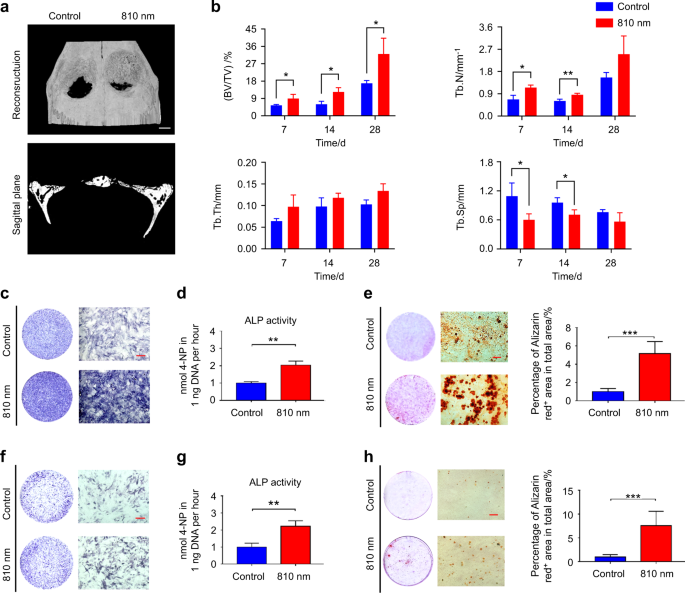
Low intensity near-infrared light promotes bone regeneration via circadian clock protein cryptochrome 1

alexandrossfakianakis shared this article with you from Inoreader

41368_2022_207_Fig1_HTML.png

International Journal of Oral Science, Published online: 14 November 2022; doi:10.1038/s41368-022-00207-y

Low intensity near-infrared light promotes bone regeneration via circadian clock protein cryptochrome 1
View on Web

Sunday, November 13, 2022

Comparison of passive versus active transcutaneous bone anchored hearing devices in the pediatric population

alexandrossfakianakis shared this article with you from Inoreader
Transcutaneous bone anchored hearing devices (BAHDs) were introduced in an effort to avoid potential complications associated with the abutment of percutaneous BAHDs. Transcutaneous BAHDs can be active or pass...
View on Web

Exhaled Mycobacterium tuberculosis Predicts Incident Infection in Household Contacts

alexandrossfakianakis shared this article with you from Inoreader

m_ciac455f1.jpeg?Expires=1731185268&Sign

Abstract
BackgroundHalting transmission of Mycobacterium tuberculosis (Mtb) by identifying infectious individuals early is key to eradicating tuberculosis (TB). Here we evaluate face mask sampling as a tool for stratifying the infection risk of individuals with pulmonary TB (PTB) to their household contacts.
Methods
Forty-six sputum-positive PTB patients in The Gambia (August 2016–November 2017) consented to mask sampling prior to commencing treatment. Incident Mtb infection was defined in 181 of their 217 household contacts as QuantiFERON conversion or an increase in interferon-γ of ≥1 IU/mL, 6 months after index diagnosis. Multilevel mixed-effects logistical regression analysis with cluster adjustment by household was used to identify predictors of incident infection.
Results
Mtb was detected in 91% of PTB mask samp les with high variation in IS6110 copies (5.3 × 10² to 1.2 × 10⁷). A high mask Mtb level (≥20 000 IS6110 copies) was observed in 45% of cases and was independently associated with increased likelihood of incident Mtb infection in contacts (adjusted odds ratio, 3.20 [95% confidence interval, 1.26–8.12]; P = .01), compared with cases having low-positive/negative mask Mtb levels. Mask Mtb level was a better predictor of incident Mtb infection than sputum bacillary load, chest radiographic characteristics, or sleeping proximity.
Conclusions
Mask sampling offers a sensitive and noninvasive tool to support the stratification of individuals who are most infectious in high-TB-burden settings. Our approach can provide b etter insight into community transmission in complex environments.
View on Web

VPM1002 as Prophylaxis Against Severe Respiratory Tract Infections Including COVID-19 in the Elderly: a phase III randomised, double-blind, placebo-controlled, multicenter clinical study

alexandrossfakianakis shared this article with you from Inoreader

cid_ogimage.png

Abstract
Background
Bacille Calmette–Guérin (BCG) vaccination can potentially reduce the rate of respiratory infections in vulnerable populations. This study evaluates the safety and efficacy of VPM1002 (a genetically modified BCG) as prophylaxis against severe respiratory tract infections including COVID-19 in an elderly population.
Methods
In this phase III, randomized, double-blind, placebo-controlled, multicenter clinical trial, healthy elderly volunteers (n = 2064) were enrolled, randomized (1:1) to receive either VPM1002 or placebo, and followed up remotely for 240 days. The primary outcome was the mean number of days with severe respiratory infections at hospital and/or at home. Secondary endpoints included the incidence of self-reported fever, number of hospital and ICU admissions, and number of adverse events.
Results
A total of 31 participants in the VPM1002 group reported at least 1 day with severe respiratory disease and a mean number of days with severe respiratory disease of 9.39 ± 9.28 days while in the placebo group, 38 participants reported a mean of 14.29 ± 16.25 days with severe respiratory disease. The incidence of self-reported fever was lower in the VPM1002 group (odds ratio: 0.46; 95% CI: 0.28 to 0.74; p-value: 0.001) and consistent trends to less hospitalization and ICU admissions due to COVID-19 were observed after VPM1002-vaccination. Local reactions typical for BCG were observed in the V PM1002-vaccinated group, which were mostly of mild intensity.
Conclusions
Vaccination with VPM1002 is well tolerated and seems to have a prophylactic effect against severe respiratory diseases in the elderly. (ClinicalTrials.gov: NCT04435379)

View on Web