Blog Archive

Αλέξανδρος Γ. Σφακιανάκης

Tuesday, April 26, 2022

Decitabine increases neoantigen and cancer testis antigen expression to enhance T cell-mediated toxicity against glioblastoma

alexandrossfakianakis shared this article with you from Inoreader
Abstract
Background
Glioblastoma (GBM) is the most common and malignant primary brain tumour in adults. Despite maximal treatment, median survival remains dismal at 14-24 months. Immunotherapies, such as checkpoint inhibition, have revolutionised management of some cancers but have little benefit for GBM patients. This is, in part, due to the low mutational and neoantigen burden in this immunogenically 'cold' tumour.
Methods
U87MG and patient derived cell lines were treated with 5-aza-2'-deoxycytidine (DAC) and underwent whole exome and transcriptome sequencing. Cell lines were then subjected to cellular assays with neoantigen and cancer testis antigen (CTA) specific T cells.
Results
We demonstrate that DAC increases neoantigen and CTA mRNA expression through DNA hypomethylation. This results in increased neoantigen presentation by MHC class I in tumour cells, leading to increased neoantigen- and CTA-specific T cell activat ion and killing of DAC-treated cancer cells. In addition, we show that patients have endogenous cancer-specific T cells in both tumour and blood, which show increased tumour-specific activation in the presence of DAC-treated cells.
Conclusions
Our work shows that DAC increases GBM immunogenicity and consequent susceptibility to T cell responses in-vitro. Our results support a potential use of DAC as a sensitizing agent to immunotherapy.
View on the web

MEOX2 homeobox gene promotes growth of malignant gliomas

alexandrossfakianakis shared this article with you from Inoreader
Abstract
Background
Glioblastoma (GBM) is an aggressive tumor that frequently exhibits gain of chromosome 7, loss of chromosome 10 and aberrantly activated receptor tyrosine kinase signaling pathways. Previously, we identified Mesenchyme Homeobox 2 (MEOX2), a gene located on chromosome 7, as an upregulated transcription factor in GBM. Overexpressed transcription factors can be involved in driving GBM. Here, we aimed to address the role of MEOX2 in GBM.
Methods
Patient-derived GBM tumorspheres were used to constitutively knockdown or overexpress MEOX2 and subjected to in vitro assays including western blot to assess ERK phosphorylation. Cerebral organoid models were used to investigate the role of MEOX2 in growth initiation. Intracranial mouse implantation models were used to assess the tumorigenic potential of MEOX2. RNA-sequencing, ACT-seq and CUT&Tag w ere used to identify MEOX2 target genes.
Results
MEOX2 enhanced ERK signaling through a feed-forward mechanism. We identified Ser 155 as a putative ERK-dependent phosphorylation site upstream of the homeobox-domain of MEOX2. S155A substitution had a major effect on MEOX2 protein levels and altered its subnuclear localization. MEOX2 overexpression cooperated with p53 and PTEN loss in cerebral organoid models of human malignant gliomas to induce cell proliferation. Using high-throughput genomics, we identified putative transcriptional target genes of MEOX2 in patient-derived GBM tumorsphere models and a fresh frozen GBM tumor.
Conclusions
We identified MEOX2 as an oncogenic transcription regulator in GBM. MEOX2 increases proliferation in cerebral organoid models of GBM and feeds into ERK signaling that represents a core signaling pathway in GBM.

View on the web

Optimization of vonoprazan‐amoxicillin dual therapy for eradicating Helicobacter pyloriinfection in China: A prospective, randomized clinical pilot study

alexandrossfakianakis shared this article with you from Inoreader

Abstract

Background

Vonoprazan-amoxicillin (VA) dual therapy has been shown to achieve acceptable cure rates for treatment of Helicobacter pylori(H. pylori) in Japan. Its effectiveness in other regions is unknown. We aimed to explore the efficacy of VA dual therapy as first-line treatment for H. pyloriinfection in China.

Methods

This was a single center, prospective, randomized clinical pilot study conducted in China. Treatment naive H. pyloriinfected patients were randomized to receive either low- or high-dose amoxicillin-vonoprazan consisting of amoxicillin 1 g either b.i.d. or t.i.d plus VPZ 20 mg b.i.d for 7 or 10 days. 13C-urea breath tests were used to access the cure rate at least 4 weeks after treatment.

Results

Three hundred and twenty-three patients were assessed, and 119 subjects were randomized. The eradication rates of b.i.d. amoxicillin for 7 and 10 days, t.i.d. amoxicillin for 7 and 10 days were 66.7% (16/24), 89.2% (33/37), 81.0% (17/21), and 81.1% (30/37) (p = .191) by intention-to-treat analysis, respectively, and 72.7% (16/22), 89.2% (33/37), 81.0% (17/21), and 81.1% (30/37) (p = .454) by per-protocol analysis, respectively.

Conclusion

Neither 7- or 10-day VA dual therapy with b.i.d. or t.i.d. amoxicillin provides satisfied efficacy as the first-line treatment for H. pyloriinfection in China. Further optimization is needed.

View on the web

Cardiovascular Risk and Sudden Sensorineural Hearing Loss: A Systematic Review and Meta‐Analysis

alexandrossfakianakis shared this article with you from Inoreader

Objectives/Hypothesis

It was previously suggested that patients with idiopathic sudden sensorineural hearing loss (ISSNHL) have a higher risk of cardiovascular disease. The aim of this study is to determine if ISSNHL patients have an increased cardiovascular risk by means of a systematic review and meta-analysis.

Methods

A systematic literature review was performed using PubMed, Embase, Cochrane Libraries and Web of Science. Studies with a clear definition of ISSNHL, investigating an association between traditional vascular risk factors and ISSNHL were included. Adhering to Preferred Reporting Items for Systematic Reviews and Meta-analysis (PRISMA) guidelines, two reviewers extracted the data, assessed the risk of bias and performed the analysis of the collected evidence.

Results

Nineteen case–control studies and two cohort studies were included (102,292 patients). Individual studies argued for higher prevalence of hypercholesterolemia, diabetes mellitus (DM) and higher blood pressure (HBP) in ISSNHL patients with a range of odds ratios (ORs) from 1.03 to 19. Pooled analysis of adjusted ORs revealed a significantly increased risk of ISSNHL for patients with hypertriglyceridemia (OR 1.54; 95% confidence interval [CI] 1.18–2.02) and high levels of total cholesterol (TC) (OR 2.09; 95% CI 1.52–2.87 after sensitivity analysis), but not for HBP, DM, or high levels of low- and high-density lipoproteins.

Conclusion

An association between higher vascular risk profile and ISSNHL seems apparent in high levels of triglycerides (TG) and TC, but more studies are needed to confirm this hypothesis due to the high levels of data heterogeneity in the literature.

Level of Evidence

N/A Laryngoscope, 2022

View on the web

JGI at 25: The Human Genome Project, or the JGI’s Origin Story

alexandrossfakianakis shared this article with you from Inoreader

DOE-HGP-poster-1024x702.jpg

JGI at 25 revisits our contributions to the Human Genome Project, and our origins in DOE bringing together the people and resources from three national labs.
View on the web

Aortic stiffness and systemic inflammation changes predict clinical response to intravitreal anti-vascular endothelial growth factor therapy in patients with age-related macular degeneration

alexandrossfakianakis shared this article with you from Inoreader

Journal of Human Hypertension, Published online: 26 April 2022; doi:10.1038/s41371-022-00689-7

Aortic stiffness and systemic inflammation changes predict clinical response to intravitreal anti-vascular endothelial growth factor therapy in patients with age-related macular degeneration
View on the web

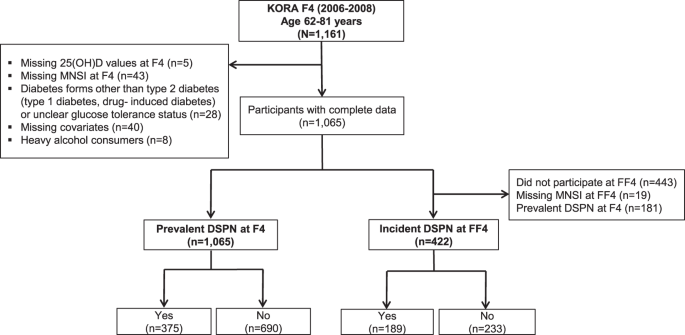
Effect of obesity on the associations of 25-hydroxyvitamin D with prevalent and incident distal sensorimotor polyneuropathy: population-based KORA F4/FF4 study

alexandrossfakianakis shared this article with you from Inoreader

41366_2022_1122_Fig1_HTML.png

View on the web