Blog Archive

Αλέξανδρος Γ. Σφακιανάκης

Thursday, July 28, 2022

Facial nerve palsy: Narrative review on the importance of the eye and its assessment

alexandrossfakianakis shared this article with you from Inoreader

Abstract

New solutions are emerging that address specific facial regions in facial nerve palsy (FNP). However the most dreaded consequence of FNP is paralytic lagophthalmos threatening the eye. A way to prioritize these regions is thus required. A review of the literature is conduced to capture the current concepts in evaluating FNP. Overall, patients are assessed from three perspectives: from the clinician's perspective using validated clinician-based grading instruments, from patient's perspective based on FNP-specific patient-reported outcome measures, and from the perspective of the layperson. The existing tools however provide limited information regarding the relative importance of different regions of the face. The eye appears to be an area of great concern for the patient where most surgical therapies are directed at. Addressing ocular problems in FNP carry a high priority but this is not clearly reflected by the standard systems.

View on Web

STATIN USE MAY BE ASSOCIATED WITH A LOWER RISK OF INVASIVE ASPERGILLOSIS IN LUNG TRANSPLANT RECIPIENTS

alexandrossfakianakis shared this article with you from Inoreader
Abstract
Background
Statins are competitive inhibitors of HMG-CoA reductase that catalyses HMG-CoA conversion to mevalonate, a process involved in synthesizing cholesterol in humans and ergosterol in fungi. The effect of statin use on the risk of development of invasive aspergillosis (IA) in lung transplant recipients (LTRs) is not well documented.
Methods
This retrospective study included LTRs from 2010 to 2017 who were followed for one-year post-transplant. Proven or probable IA was diagnosed as per ISHLT criteria. We performed a multivariable Cox proportional hazards model of the association between IA and statin use (minimum of two weeks duration prior to IA), adjusting for other known IA risk factors.
Results
We identified 785 LTRs, 44% female, mean age 53 years old, the most common underlying disease being pulmonary fibrosis (23.8%). 451 LTRs (57%) received statins post-transplant, atorvastatin was the most commonly used statin (68%). The mean duration of statins post-transplant was 347 days (IQR: 305 to 346). 55 (7%) LTRs developed IA in the first-year post-transplant. Out of these 55 LTRs, 9 (16.3%) had received statin before developing IA. In multivariable analysis, statin use was independently associated with a lower risk of IA (p = 0.002, SHR 0.30, CI 95% 0.14-0.64). Statin use was also associated with a lower incidence of post-transplant Aspergillus colonization, 114 (34%) in the no statin group vs. 123 (27%) in the statin group (p = 0.038).
Conclusions
The use of statin for a minimum of two weeks during the first-year post-transplant was associated with a 70% risk reduction of IA in LTRs.
View on Web

Genetic predisposition & evolutionary traces of pediatric cancer risk: A prospective 5-year population-based genome sequencing study of children with CNS tumors

alexandrossfakianakis shared this article with you from Inoreader
Abstract
Background
The etiology of central nervous system (CNS) tumors in children is largely unknown and population-based studies of genetic predisposition are lacking.
Methods
In this prospective, population-based study, we performed germline whole-genome sequencing in 128 children with CNS tumors, supplemented by a systematic pedigree analysis covering 3,543 close relatives.
Results
Thirteen children (10%) harbored pathogenic variants in known cancer genes. These children were more likely to have medulloblastoma (OR 5.9, CI 1.6-21.2) and develop metasynchronous CNS tumors (p=0.01). Similar carrier frequencies were seen among children with low-grade glioma (12.8%) and high-grade tumors (12.2%). Next, considering the high mortality of childhood CNS tumors throughout most of human evolution, we explored known pediatric-onset cancer genes, showing that they are more evolutionarily constrained than genes associated with risk of adult-onset malignancies (p=5e-4) and all other genes (p=5e-17). Based on this observation, we expanded our analysis to 2 986 genes exhibiting high evolutionary constraint in 141 456 humans. This analysis identified eight directly causative loss-of-functions variants, and showed a dose-response association between degree of constraint and likelihood of pathogenicity - raising the question of the role of other highly constrained gene alterations detected.
Conclusions
∽10% of pediatric CNS tumors can be attributed to rare variants in known cancer genes. Genes associated with high risk of childhood cancer show evolutionary evidence of constraint.
View on Web

Wednesday, July 27, 2022

Pharmacokinetics of ribavirin in the treatment of Lassa fever: An observational clinical study at the Irrua Specialist Teaching Hospital, Edo State, Nigeria

alexandrossfakianakis shared this article with you from Inoreader
Abstract
Background
Lassa fever is endemic in large parts of West Africa. The recommended antiviral treatment is ribavirin. Two treatment regimens are currently endorsed in Nigeria: the "McCormick regimen" based on a study published in 1986 and the "Irrua regimen" constituting a simplified schedule developed at the Irrua Specialist Teaching Hospital (ISTH), Nigeria. Evidence for the safety and efficacy of ribavirin in Lassa fever patients is poor and pharmacokinetic data for both regimens are lacking.
Methods
PCR-confirmed Lassa fever patients with mild to moderate disease severity were invited to participate in this prospective, observational pharmacokinetic study. Pharmacokinetics of ribavirin, clinical, virologic, and clinical laboratory parameters were assessed.
Results
Using a population pharmacokinetic approach, plasma concentrations of ribavirin were best described by a three-compartment model. Drug exposure was remarkably consistent between participants. Overall, drug clearance was 28.5% lower in female compared to male participants. Median (5th-95th percentile) time above IC50 was 37.3% (16.9%-73.1%), 16.7% (8.2%-58.5%) and 9.6% (4.9%-38.4%) on days 1, 7 and 8, respectively. Clinical laboratory parameters indicated reduction of cell damage and development of hemolytic anemia in the course of the treatment period.
Conclusions
This observational study characterizes the pharmacokinetics of ribavirin in the treatment of Lassa fever indicating consistent exposure across patients. Whereas the only short time interval of concentrations above the IC50 implies rather low antiviral efficacy in vivo, the prominent reduction of cell damage markers might point to indirect – potentially anti-inflammatory – effects of ribavirin. The role of ribavirin in the treatment of Lassa fever requires further scrutiny.
View on Web

Association of histo‐blood group antigens and predisposition to gastrointestinal diseases

alexandrossfakianakis shared this article with you from Inoreader

Abstract

Infectious gastroenteritis is a common illness afflicting people worldwide. The two most common etiological agents of viral gastroenteritis, rotaviruses and noroviruses are known to recognise histo-blood group antigens (HBGAs) as attachment receptors. ABO, Lewis, and secretor HBGAs are distributed abundantly on mucosal epithelia, cell membranes, and also secreted in biological fluids, such as saliva, intestinal content, milk and blood. HBGAs are fucosylated glycans that have been implicated in the attachment of some enteric pathogens such as bacteria, parasites, and viruses. Single nucleotide polymorphisms in the genes encoding ABO (H), fucosyltransferase gene FUT2 (Secretor/Se), FUT3 (Lewis/Le) have been associated to changes in enzyme expression and HBGAs production. The highly polymorphic HBGAs among different populations and races influence genotype specific susceptibility or resistance to enteric pathogens and its epidemiolog y, and vaccination seroconversion. Therefore, there is an urgent need to conduct population-based investigations to understand predisposition to enteric infections and gastrointestinal diseases. This review focuses on the relationship between HBGAs and predisposition to common human gastrointestinal illnesses caused by viral, bacterial, and parasitic agents.

This article is protected by copyright. All rights reserved.

View on Web

Pharmacokinetic and pharmacodynamic simulation for the quantitative risk assessment of linezolid‐associated thrombocytopenia

alexandrossfakianakis shared this article with you from Inoreader
Pharmacokinetic and pharmacodynamic simulation for the quantitative risk assessment of linezolid-associated thrombocytopenia

Utility of safety target achievement rate based on PK/PD simulation for predicting linezolid-induced thrombocytopenia-stratified on the duration of linezolid therapy.


Abstract

What Is Known and Objective

Linezolid (LZD) may cause thrombocytopenia, which can result in discontinuation of treatment. In this study, the blood LZD trough concentration was estimated based on population pharmacokinetic (PK) parameters derived from two previously published models in the Japanese population to determine the rate of achieving the target trough value when the risk of thrombocytopenia is low and to clarify its relationship with the onset of thrombocytopenia.

Methods

This study included adult patients hospitalized at Shimane University Hospital, who received LZD treatment for at least 4 days from January 2010 to December 2017. Patients whose platelet count fell below 70% before LZD administration were categorized as the thrombocytopenic group. Patient PK parameters were calculated based on the population PK models described by Matsumoto et al. and Sasaki et al., and these parameters were designated A and B, respectively. Based on these parameters, the rate of achieving an LZD trough concentration of less than 8 μg/ml, which is the safety target achievement rate, was calculated using a random simulation for each patient. We further analysed the association between the incidence of thrombocytopenia and patient factors, including safety target achievement rate, through univariate, multivariate, and receiver operating characteristic (ROC) analyses.

Results and Discussion

Patients (n = 77) aged 72 ± 11 years and weighing 56.7 ± 10.9 kg, with a creatinine clearance (CLcr) of 60.5 ± 47.2 ml/min and a cirrhosis prevalence of 9.1%, were analysed. All patients received LZD at a dose of 600 mg twice daily for a total of 10.9 ± 8.9 days. Univariate analyses revealed significant differences (p < 0.05) in the duration of LZD therapy, serum creatinine, creatinine clearance, LZD clearance, and the safety target achievement rate for parameters A and B between the thrombocytopenic and non-thrombocytopenic groups. A multivariate analysis of these factors stratified with the cutoff values obtained by ROC analysis revealed that the duration of LZD therapy and the safety target achievement rates for parameters A and B were significant factors (odds ratios for duration of LZD therapy: 7.436 [95% confidence interval (CI): 1.918–28.831] and 4.712 [95% CI: 1.567–14.163]; odds ratio for safe ty target achievement rate: 0.060 [95% CI: 0.016–0.232] and 0.167 [95% CI: 0.056–0.498] for parameters A and B, respectively). When the safety target achievement rates for patients treated with LZD were compared between the thrombocytopenic and non-thrombocytopenic groups, the safety target achievement rate was higher in the non-thrombocytopenic group in both the patients treated with LZD for less than 10 days and those for 10 days or more.

Therefore, the safety target achievement rate estimated by the PK/PD simulation may represent to be an important index for risk assessment of LZD-induced thrombocytopenia.

What Is New and Conclusion

The risk of LZD-induced thrombocytopenia, which increased with the duration of LZD therapy, may be predicted using the safety target achievement rate obtained by the blood concentration simulation.

View on Web

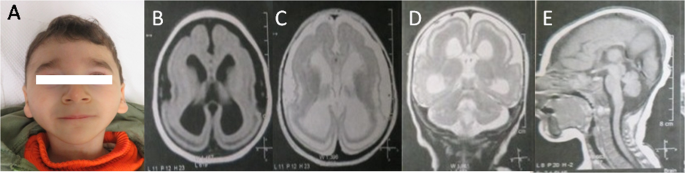
A homozygous loss-of-function variant in BICD2 is associated with lissencephaly and cerebellar hypoplasia

alexandrossfakianakis shared this article with you from Inoreader

10038_2022_1060_Fig1_HTML.png

View on Web