Blog Archive

Αλέξανδρος Γ. Σφακιανάκης

Sunday, July 17, 2022

A randomized multi‐center study on the effectiveness of non‐surgical periodontal therapy in general practice

alexandrossfakianakis shared this article with you from Inoreader

Abstract

Aim

To evaluate the effectiveness of two non-surgical treatment protocols for periodontitis patients in general dental practice.

Material and methods

Ninety-five dental hygienists (59 dental clinics) were randomly assigned to one of two treatment protocols: (i) establishment of adequate self-performed oral hygiene prior to a single session of ultrasonic instrumentation (guided periodontal infection control, GPIC) or (ii) conventional non-surgical therapy (CNST) including patient education and scaling and root planing integrated in multiple sessions. Residual pockets at 3 months were retreated in both groups. The primary outcome was pocket closure (probing pocket depth ≤4 mm) at 6 months. Multilevel models were utilized.

Results

Based on data from 615 patients, no significant differences with regard to clinical outcomes were observed between treatment protocols. Treatment-related costs (i.e. chair time, number of sessions) were significantly lower for GPIC than CNST. Smoking and age significantly affected treatment outcomes.

Conclusion

No significant differences between the two approaches were observed in regard to clinical outcomes. GPIC was more time-effective. Patient education should include information on the detrimental effects of smoking.

View on Web

Autogenous Bone Block versus Collagenated Xenogeneic Bone Block in the reconstruction of the atrophic alveolar ridge: a non‐inferiority randomized clinical trial

alexandrossfakianakis shared this article with you from Inoreader

Abstract

Objective

To compare the efficacy of equine derived collagenated bone blocks (CXBB) and autogenous bone block (ABB) for lateral alveolar ridge augmentation and two-stage implant placement.

Materials and methods

Sixty-four patients with tooth gaps up to 4 teeth and atrophic alveolar ridges with ≤ 4 mm were randomly assigned to lateral augmentation using CXBB or ABB. Lateral bone thickness was measured 2 mm below the alveolar crest at augmentation surgery and 30 weeks later at implant placement. Implant related outcomes, adverse events, surgery duration, pain sensation, analgesic consumption and oral health-related quality of life were also assessed. Data was analyzed using Fisher's exact, Mann–Whitney, and Wilcoxon signed-rank tests.

Results

At 30 weeks, the median change in lateral bone thickness amounted to 2.90 (CXBB) and 3.00 (ABB), respectively. Secondary endpoints demonstrated similar results for CXBB and ABB in terms of possibility to place an implant, need to perform a secondary bone augmentation at implant placement and rate of complications. Early implant failure was 20% for CXBB and 10% for ABB, with no difference between the groups. Pain scores and postoperative consumption of analgesics were significantly lower in the CXBB group than in the ABB group, especially during the first days post-surgery.

Conclusion

CXBB is non-inferior to ABB for horizontal alveolar ridge augmentation and two-stage implant placement.

This article is protected by copyright. All rights reserved.

View on Web

Offset analgesia is increased intra‐orally

alexandrossfakianakis shared this article with you from Inoreader

Abstract

Background

Offset analgesia (OA) is commonly used to quantify endogenous pain inhibition. However, the potential role of afferent inputs and the subsequent peripheral factors from different body areas on the underlying mechanisms are still unclear.

Objectives

The aim of this cross-sectional study was to compare the magnitude of OA in four different body areas representing a) glabrous and non-glabrous skin, b) trigeminal and extra-trigeminal areas, and c) intra- and extra-oral tissue.

Methods

OA was assessed at the oral mucosa of the lower lip, at the skin of the cheek, the forearm and the palm of the hand in 32 healthy and pain-free participants. OA testing included two trials: (1) a constant trial (30 seconds of constant heat stimulation at an individualized temperature of Pain50 (pain intensity of 50 out of 100)), and (2) an offset trial (10 seconds of individualized Pain50, followed by 5 seconds at Pain50+1°C and 15 seconds at Pain50). Participants continuously rated their pain during each trial with a computerized visual analog scale.

Results

A significant OA response was recorded at the oral mucosa (p<0.001, d=1.24), the cheek (p<0.001, d=0.84) and the forearm (p<0.001, d=1.04), but not at the palm (p=0.19, d=0.24). Significant differences were shown for OA recorded at the cheek versus the mucosa (p=0.02), and between palm and mucosa (p=0.007), but not between the remaining areas (p>0.05).

Conclusion

This study suggests that intra-oral endogenous pain inhibition assessed with OA is enhanced and supports the role of peripheral mechanisms contributing to the OA response.

View on Web

Thursday, July 14, 2022

Changes in the occlusal function of orthognathic patients with vertical malformations after combined orthodontic surgical therapy: a prospective clinical study

alexandrossfakianakis shared this article with you from Inoreader
The aim of this study was to assess the changes in occlusal patterns during combined surgical and orthodontic therapy in patients with vertical jaw malformations. Twenty-six orthognathic patients (18 female, eight male; median age 25 years, interquartile range 11.5 years) and 10 control patients (five female, five male; median age 29.8 years, interquartile range 13.5 years) recruited from neutral configured patients attending the Department of Orthodontics, were investigated. Based on cephalometry, the patients were grouped into vertical skeletal configurations of either open, deep, or natural bite cases. (Source: International Journal of Oral and Maxillofacial Surgery)
View on Web

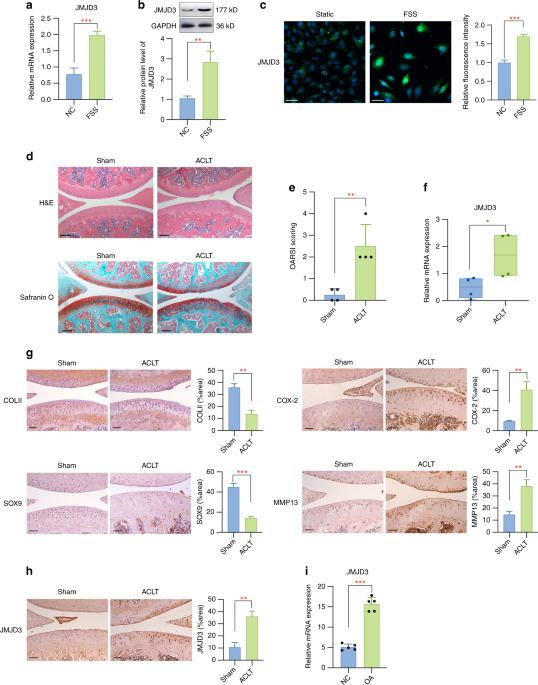
Histone demethylase JMJD3 downregulation protects against aberrant force-induced osteoarthritis through epigenetic control of NR4A1

alexandrossfakianakis shared this article with you from Inoreader

41368_2022_190_Fig1_HTML.png

View on Web

“Inhaled Zanamivir versus Oral Oseltamivir to Prevent Influenza-related Hospitalization or Death: A Nationwide Population-based Quasi-experimental Study”

alexandrossfakianakis shared this article with you from Inoreader
to the editor—In their recent article, Su et al compared the effectiveness of inhaled zanamivir and oral oseltamivir for influenza patients in a quasi-experimental cohort study using population-based National Health Insurance Research Database [1]. They found that prescribing zanamivir for clinically diagnosed influenza patients within 48 hours was not inferior to oseltamivir in terms of the risk of subsequent influenza-related hospitalization and death. In addition to the limitations mentioned by the authors, we would like to share some ideas regarding the study design as well as further investigations that would be of interest to the readers.
View on Web

PP1 catalytic isoforms are differentially expressed and regulated in human prostate cancer

alexandrossfakianakis shared this article with you from Inoreader

1-s2.0-S0014482722X00141-cov150h.gif

Publication date: Available online 14 July 2022

Source: Experimental Cell Research

Author(s): Juliana Felgueiras, João Lobo, Vânia Camilo, Isa Carneiro, Bárbara Matos, Rui Henrique, Carmen Jerónimo, Margarida Fardilha

View on Web