Blog Archive

Αλέξανδρος Γ. Σφακιανάκης

Thursday, June 16, 2022

Infection with Adenovirus, Rotavirus, and Coinfection Among Hospitalized Children

alexandrossfakianakis shared this article with you from Inoreader

Abstract

Introduction

Acute gastroenteritis is the main cause of mortality and morbidity in children worldwide. Studies stated that rotavirus and human adenovirus (HAdV) are common causes of non-bacterial gastroenteritis in children aged 0 to 5 years. The aim of this study was to determine the prevalence and the distribution of rotavirus, HAdV and coinfections among hospitalized children with gastroenteritis below seven years old and determine the prevalence of enteric HAdV among all HAdV gastroenteritis.

Methods

The study was conducted on 150 children below 7 years old. Antigen detection for rotavirus and HAdV by ELISA and determination of enteric HAdV (serotype 40 and 41) by nested PCR and restriction endonucleases study were performed.

Results

Detection of rotavirus and HAdV antigens in 150 stool specimens from patients with gastroenteritis were 58% (87), 6.7% (10), and 8% (12) positive for rotavirus, HAdV, and coinfection, respectively. Out of 22 HAd V antigen positive cases 15 cases were positive by PCR for enteric HAdV, with prevalence rate of enteric HAdV gastroenteritis among all HAdV gastroenteritis cases of 68%, serotyping study by PCR detected serotype 40 in 46.7% of cases (7/15) and serotype 41 in 53.3% of cases (8/15) with no statistically significant difference between them.

Conclusion

The study confirmed that rotavirus and HAdV are prevalent etiological agents of diarrhea in children below the school-age group, highlighting the necessity of rotavirus vaccine addition to the obligatory schedule of vaccines in Egypt. Also, it determined that enteric HAdV gastroenteritis prevalence rate was 68% among all HAdV gastroenteritis.

This article is protected by copyright. All rights reserved.

View on Web

MOLECULAR ASPECTS OF OMICRON, VACCINE DEVELOPMENT AND RECOMBINANT STRAIN XE: A REVIEW

alexandrossfakianakis shared this article with you from Inoreader

ABSTRACT

The global pandemic of COVID-19 began in December 2019 and is still continuing. The past 2 years have seen the emergence of several variants that were more vicious than each other. The emergence of Omicron (B.1.1.529) proved to be a huge epidemiological concern as the rate of infection of this particular strain was enormous. The strain was identified in South Africa on November 24, 2021 and was classified as a 'Variant of Concern' on November 26, 2021. The Omicron variant possessed mutations in the key RBD region, the S region, thereby increasing the affinity of ACE2 for better transmission of the virus. Antibody resistance was found in this variant and it was able to reduce vaccine efficiency of vaccines. The need for a booster vaccine was brought forth due to the prevalence of the Omicron variant and, subsequently, this led to targeted research and development of variant-specific vaccines and booster dosage. This review discusses broadly the genomic ch aracters and features of Omicron along with its specific mutations, evolution, antibody resistance, and evasion, utilization of CRISPR-Cas12a assay for Omicron detection, T-cell immunity elicited by vaccines against Omicron, and strategies to decrease Omicron infection along with COVID-19 and it also discusses on XE recombinant variant and on infectivity of BA.2 subvariant of Omicron.

This article is protected by copyright. All rights reserved.

View on Web

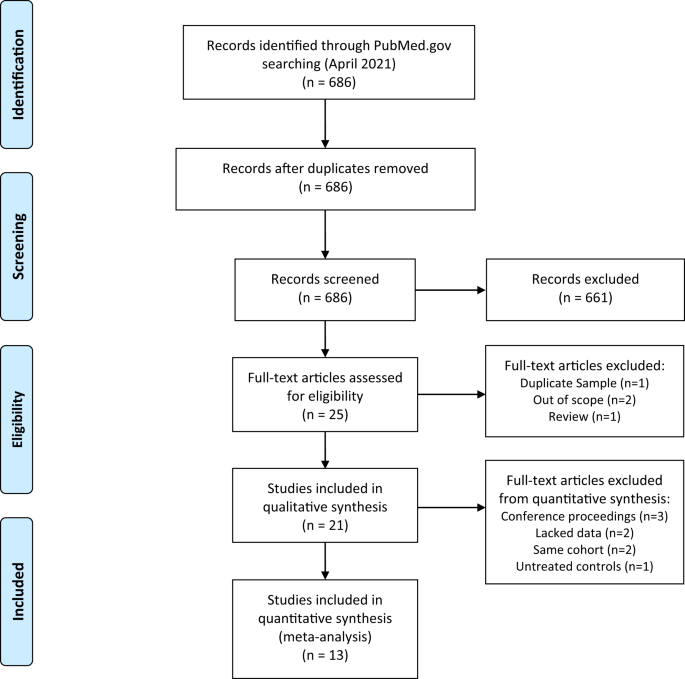
Pharmacogenomics of Clozapine-induced agranulocytosis: a systematic review and meta-analysis

alexandrossfakianakis shared this article with you from Inoreader

41397_2022_281_Fig1_HTML.png

View on Web

One‐stage versus two‐stage technique using two splinted extra‐short implants: A multicentric split‐mouth study with a one‐year follow‐up

alexandrossfakianakis shared this article with you from Inoreader

Abstract

Objective

To compare the clinical outcomes of extra-short implants (≤6.5 mm) inserted with one-stage versus two-stage technique in adjacent sites of the upper or lower jaw.

Materials and Methods

In this split-mouth multicenter study, implants were randomly divided into two groups according to the healing phase: two-stage and one-stage technique. Primary outcome measures were implant survival, implant success, and prosthodontic complications. Secondary outcome measurements were: implant stability quotient (ISQ) collected at surgery time (T0), and after 3 (T3) and 12 (T12) months, marginal bone level (MBL) evaluated at T0, T3, T6, and T12, marginal bone loss evaluated at T6 and T12, plaque index (PI), probing depth (PD), bleeding on probing (BoP) evaluated at T3, T6, and T12. Significances of differences between groups were tested by linear mixed model with random intercept.

Results

Nineteen patients (8 males and 11 females) were included. A total of 38 implants were inserted. At T12 implant cumulative survival and implant success rate were 100% in both groups. No statistically significant differences were recorded for any of the analyzed parameters between the two groups at any time point. ISQ values were similar at T0 (two-stage: mean 67.53 ± SD 19.47; one-stage: mean 66.53 ± 19.07 p = 0.8738) and increased in both groups at the 12-month follow-up appointment (two-stage: 81.1 ± 7.04; one-stage: 81.39 ± 0.9266). MBL values were similar in the two groups at any time point. At T12 marginal bone loss was 0.46 ± 0.41 (two-stage) and 0.45 ± 0.38 (one-stage) mm (p = 0.9417), while mean PD was 2.7 ± 0.85 (two-stage) and 2.69 ± 0.89 (one-stage) mm.

Conclusions

Within the limits of the present short-term report, extra-short implants demonstrated optimal clinical outcomes using the one-stage technique, without statistically significant differences compared with the traditional two-stage approach.

View on Web

Pharmacogenomics of Clozapine-induced agranulocytosis: a systematic review and meta-analysis

alexandrossfakianakis shared this article with you from Inoreader

41397_2022_281_Fig1_HTML.png

The Pharmacogenomics Journal, Published online: 16 June 2022; doi:10.1038/s41397-022-00281-9

Pharmacogenomics of Clozapine-induced agranulocytosis: a systematic review and meta-analysis
View on Web

Doxycycline post-exposure prophylaxis for prevention of sexually transmitted infections among Kenyan women using HIV pre-exposure prophylaxis: study protocol for an open-label randomized trial

alexandrossfakianakis shared this article with you from Inoreader

13063.jpg

Women in Africa face disproportionate risk of human immunodeficiency virus (HIV) acquisition, accounting for more than half of new infections in Africa and similarly face a disproportionate burden of sexually ...
View on Web