Blog Archive

Αλέξανδρος Γ. Σφακιανάκης

Tuesday, May 31, 2022

Development and validation of the Fat Attitudes Assessment Toolkit (FAAT): A multidimensional nonstigmatizing measure of contemporary attitudes toward fatness and fat people

alexandrossfakianakis shared this article with you from Inoreader

Abstract

Many instruments recommended for measuring attitudes toward fatness and "obesity" were developed in the 1990s, a time when the "obesity epidemic" was gaining momentum and anti-fat rhetoric was normative. Consequently, these instruments have tended to focus on assessing negative appraisals of fatness and fat people and reinforce weight stigma. As fat discourse has matured and expanded to incorporate fat positive attitudes, a nonstigmatizing way of measuring contemporary fat attitudes and beliefs in quantitative research is required. To address this need, we developed the Fat Attitudes Assessment Toolkit (FAAT). In this article, we describe the development of the FAAT and provide initial evidence for the scale's validity and psychometric properties across three studies. Study 1 included a systematic process for developing the extensive item pool that was reviewed by subject matter experts and a community panel. We explored and identified an initial multidimensional structure for the FAAT. Study 2 expanded and confirmed the factor structure with additional analyses in an independent sample and provided evidence for the overall reliability of the subscale scores and reliability as a function of gender and identification as fat. Construct and criterion validity of the subscale scores were also demonstrated. Study 3 provided evidence for the test-retest reliability of the FAAT subscales scores over time. The FAAT includes nine robust scales: Empathy, Activism Orientation, Size Acceptance, Attractiveness, Critical Health, General Complexity, Socioeconomic Complexity, Responsibility, and Body Acceptance. Specific subscales can be combined to form two composite measures: Fat Acceptance and Attribution Complexity. The scales that comprise the FAAT measure specific elements of attitudes towards fat people that are frequently targeted in weight stigma reduction research and activism; the FAAT thus offers a powerful and precise method for evaluating weight stigma reduction interventions that allows for an assessment of shifts toward more positive attitudes.

View on Web

Monday, May 30, 2022

SARS-CoV-2 incidence and risk factors in a national, community-based prospective cohort of U.S. adults

alexandrossfakianakis shared this article with you from Inoreader
Abstract
Background
Prospective cohort studies of SARS-CoV-2 incidence complement case-based surveillance and cross-sectional seroprevalence surveys.
Methods
We estimated the incidence of SARS-CoV-2 infection in a national cohort of 6,738 U.S. adults, enrolled March-August 2020. Using Poisson models, we examined the association of social distancing and a composite epidemiologic risk score with seroconversion. The risk score was created using LASSO regression to identify factors predictive of seroconversion. The selected factors were household crowding, confirmed case in household, indoor dining, gathering with groups ≥ 10, and no masking in gyms/salons.
Results
Among 4,510 individuals with ≥1 serologic test, 323 (7.3%, 95% confidence interval [CI] 6.5%-8.1%) seroconverted by January 2021. Among 3,422 participants seronegative in May-September 2020 and retested during November 2020-January 2021, 161 seroconverted over 1,646 person-years of follow-up (9.8 per 100 person-years [95%CI 8.3-11.5]). Seroincidence rate was lower among females compared to males (IRR: 0.69, 95% CI 0.50-0.94) and higher among Hispanic (IRR: 2.09, 95% CI 1.41-3.05) participants compared to White non-Hispanic. In adjusted models, participants who reported social distancing with people they did not know (IRRalways vs. never: 0.42, 95% CI 0.20-1.0) and with people they knew (IRRalways vs. never 0.64, 95%CI 0.39-1.06; IRRsometimes vs. never 0.60, 95% CI 0.38-0.96) had lower seroconversion risk. Seroconversion risk increased with epidemiologic risk score (IRRmedium vs. low 1.68, 95% CI 1.03-2.81; IRRhigh vs. low 3.49, 95% CI 2.26-5.58). Only 29% of those who seroconverted reported isolating and 19% were asked about contacts.
Conclusion
Modifiable risk factors and poor reach of public health strategies drove SARS-CoV-2 transmission across the U.S.

View on Web

Rib fixation in non–ventilator-dependent chest wall injuries: A prospective randomized trial

alexandrossfakianakis shared this article with you from Inoreader
imageBACKGROUND The aim of this study was to assess pain and quality of life (QoL) outcomes in patients with multiple painful displaced fractured ribs with and without operative fixation. Rib fractures are common and can lead to significant pain and disability. There is minimal level 1 evidence for rib fixation in non–ventilator-dependent patients with chest wall injuries. We hypothesized that surgical stabilization of rib fractures would reduce pain and improve QoL during 6 months. METHODS A prospective multicenter randomized controlled trial comparing rib fixation to nonoperative management of nonventilated patients with at least three consecutive rib fractures was conducted. Inclusion criteria were rib fracture displacement and/or ongoing pain. Pain (McGill Pain Questionnaire) and QoL (Short Form 12) at 3 and 6 months postinjury were assessed. Surgeons enrolled patients in whom they felt there was clinical equipoise. Patients who were deemed to need surgical fixation or who were deemed to be too well to be randomized to rib fixation were not enrolled. RESULTS A total of 124 patients were enrolled at four sites between 2017 and 2020. Sixty-one patients were randomized to operative management and 63 to nonoperative management. No differences were seen in the primary endpoint of Pain Rating Index at 3 months or in the QoL measures. Return-to-work rates improved between 3 and 6 months, favoring the operative group. CONCLUSION In this study, no improvements in pain or QoL at 3 and 6 months in patients undergoing rib fixation for nonflail, non–ventilator-dependent rib fractures have been demonstrated. LEVEL OF EVIDENCE Therapeutic/Care Management; Level II.
View on Web

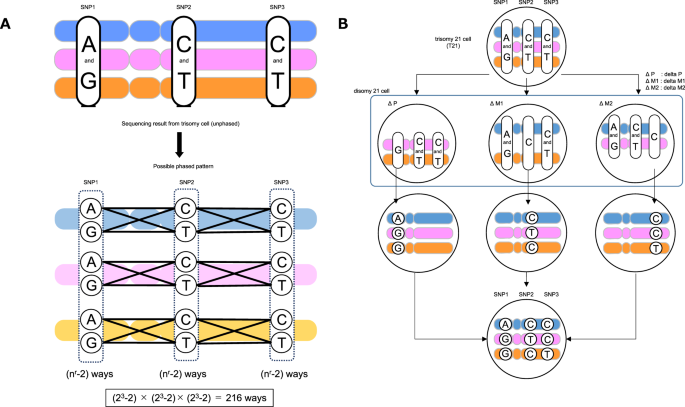
Experimental method for haplotype phasing across the entire length of chromosome 21 in trisomy 21 cells using a chromosome elimination technique

alexandrossfakianakis shared this article with you from Inoreader

10038_2022_1049_Fig1_HTML.png

View on Web

Balancing enrollment and mortality in hemorrhage control trials: A secondary analysis of the PROPPR trial

alexandrossfakianakis shared this article with you from Inoreader
imageBACKGROUND Designing clinical trials on hemorrhage control requires carefully balancing the need for high enrollment numbers with the need of focusing on the sickest patients. The Pragmatic Randomized Optimal Platelet and Plasma Ratios (PROPPR) trial enrolled patients within 2 hours of arrival to the emergency department for a trial of injured patients at risk for massive transfusion. We conducted a secondary analysis to determine how time-to-randomization affected patient outcomes and the balance between enrollment and mortality. METHODS Patients from the Pragmatic Randomized Optimal Platelet and Plasma Ratios trial were compared based on 30-minute time to randomization intervals. Outcomes included 24-hour and 30-day mortality, time to hemostasis, adverse events, and operative procedures. Additional analyses were conducted based on treatment arm allocation, mechanism of injury, and variation in start time (arrival vs. randomization). RESULTS Randomization within 30 minutes of arrival was associated with higher injury severity (median Injury Severity Score, 29 vs. 26 overall; p
View on Web

The Kampala Trauma Score: A 20-year track record

alexandrossfakianakis shared this article with you from Inoreader
imageQuantifying the severity of traumatic injury has been foundational for the standardization of outcomes, quality improvement research, and health policy throughout the evolution of trauma care systems. Many injury severity scores are difficult to calculate and implement, especially in low- and middle-income countries (LMICs) where human resources are limited. The Kampala Trauma Score (KTS)—a simplification of the Trauma Injury Severity Score—was developed in 2000 to accommodate these settings. Since its development, numerous instances of KTS use have been documented, but extent of adoption is unknown. More importantly , does the KTS remain useful for determining injury severity in LMICs? This review aims to better understand the legacy of the KTS and assess its strengths and weaknesses. Three databases were searched to identify scientific papers concerning the KTS. Google Scholar was searched to identify grey literature. The search returned 357 papers, of which 199 met inclusion criteria. Eighty-five studies spanning 16 countries used the KTS in clinical settings. Thirty-seven studies validated the KTS, assessing its ability to predict outcomes such as mortality or need for admission. Over 80% of these studies reported the KTS equalled or exceeded more complicated scores at predicting mortality. The KTS has stood the test of time, proving itself over the last twenty years as an effective measure of injury severity across numerous contexts. We recommend the KTS as a means of strengthening trauma systems in LMICs and suggest it could benefit high-income trauma systems that do not measure injury sev erity.
View on Web

Mitochondria play a key role in oxidative stress-induced pancreatic islet dysfunction after severe burns

alexandrossfakianakis shared this article with you from Inoreader
imageBACKGROUND Severe burns are often complicated with hyperglycemia in part caused by pancreatic islet dysfunction. Previous studies have revealed that in diabetes mellitus, the pancreatic islet dysfunction is partly attributed to oxidative stress. However, the role and mechanism of oxidative stress in hyperglycemia after severe burns remain unclear. Therefore, the purpose of this study was to explore the level and mechanism of oxidative stress in pancreatic islets after severe burns and the antioxidant effect of sodium pyruvate. METHODS A 30% total body surface area full-thickness burn model was established using male C57BL/6 mice. Fasting blood glucose and glucose-stimulated insulin secretion (GSIS) 24 hours post severe burns were detected. The levels of reactive oxygen species (ROS) and mitochondrial ROS of islets were detected. The activities of complexes in the mitochondrial respiratory chain of islets were measured. The main antioxidant defense system, glutaredoxin system, and thioredoxin system-related indexes were detected, and the expression of manganese superoxide dismutase (Mn-SOD) was measured. In addition, the antioxidant activity of sodium pyruvate was evaluated post severe burns. RESULTS After severe burns, fasting blood glucose levels increased, while GSIS levels decreased, with significantly elevated ROS levels of pancreatic islets. The activity of complex III decreased and the level of mitochondrial ROS increased significantly post severe burns. For the detoxification of ROS, the expressions of thioredoxin 2, thioredoxin reductase 2, and Mn-SOD located in mitochondria decreased. Sodium pyruvate reduced the level of mitochondrial ROS in islet cells and improved the GSIS of islets after severe burns. CONCLUSION The high level of mitochondrial ROS of islets is caused by reducing the activity of complex III in mitochondrial respiratory chain, inhibiting mitochondrial thioredoxin system, and downregulating Mn-SOD post severe burns. Sodium pyruvate plays an antioxidant role post severe burns in mice islets and improves the islet function.
View on Web