Blog Archive

Αλέξανδρος Γ. Σφακιανάκης

Sunday, May 15, 2022

Ipriflavone suppresses NLRP3 inflammasome activation in host response to biomaterials and promotes early bone healing

alexandrossfakianakis shared this article with you from Inoreader

Abstract

Aim

Emerging studies have shown that immune response to biomaterial implants plays a central role in bone healing. Ipriflavone is clinically used for osteoporosis. However, the mechanism of ipriflavone in immune response to implants in early stage of osseointegration remains unclear. In this study, we aimed to investigate the potential role of ipriflavone in early bone healing process and uncover the underlying mechanism.

Materials and methods

Histological examination, proinflammatory cytokines, and NLRP3 inflammasome activation were analyzed in a tibial implantation mouse model with intraperitoneal injection of ipriflavone. In addition, we explored the mechanism of ipriflavone in the regulation of NLRP3 inflammasome activation in macrophages.

Results

In vivo, ipriflavone ameliorated host inflammatory response related to NLRP3 inflammasome activation at implantation sites characterized by reductions of inflammatory cells infiltration and proinflammatory cytokine IL-1β levels. Ipriflavone treatment also showed beneficial effects on early osseointegration. Further investigations of the molecular mechanism showed that the suppression of NLRP3 inflammasome acts upstream of NLRP3 oligomerization through abrogating the production of reactive oxygen species (ROS).

Conclusion

These results revealed an anti-inflammatory role of ipriflavone in NLRP3 inflammasome activation through improving mitochondrial function. This research provides a new strategy for the development of immune-regulated biomaterials and treatment options for NLRP3-related diseases.

View on Web

Comparison Between the STANDARD™ F S. pneumoniae Ag FIA and BinaxNOW S. pneumoniae Antigen Card for Detection of Streptococcus pneumoniae Urinary Antigen

alexandrossfakianakis shared this article with you from Inoreader

1-s2.0-S0732889322X00047-cov150h.gif

Publication date: Available online 15 May 2022

Source: Diagnostic Microbiology and Infectious Disease

Author(s): Hui-Jin Yu, Tae Yeul Kim, Hyang Jin Shim, Sun Ae Yun, Ji-Youn Kim, On Kyun Kang, Hee Jae Huh, Nam Yong Lee

View on Web

Thursday, May 12, 2022

Cervical Pneumatocele Following Total Thyroidectomy Presenting as an Air Thyrogram

alexandrossfakianakis shared this article with you from Inoreader

jamanetwork.com

This case report describes a woman in her 30s who presented with delayed cervical pneumatocele after thyroidectomy.
View on Web

Olfactory Impairment and Mortality

alexandrossfakianakis shared this article with you from Inoreader

jamanetwork.com

The COVID-19 pandemic has elevated the world's attention to olfactory impairment (OI). As a cardinal symptom of the many early variants of the SARS-CoV-2 virus, we have never seen such global attention toward one of our most important senses. Although the prevalence of OI has increased dramatically with COVID-19, OIs have long been a significant health concern. Prior to the COVID-19 pandemic, the median length of time from onset of OI to evaluation by a clinician was 13 months, with many individuals waiting up to 3 years before seeking evaluation. During that time, patients did not receive treatment or counseling, compounding the potential associations of OI with patient health.
View on Web

Advanced CT Localization Techniques for Primary Hyperparathyroidism

alexandrossfakianakis shared this article with you from Inoreader

jamanetwork.com

This systematic review with meta-analysis evaluates the diagnostic performance of advanced computed tomographic imaging techniques compared with current imaging standards for the localization of primary hyperparathyroidism.
View on Web

Plasma Circulating Tumor HPV DNA and HPV-Related Oropharynx Cancer

alexandrossfakianakis shared this article with you from Inoreader

jamanetwork.com

This cross-sectional analysis examines whether circulating tumor human papillomavirus DNA is detectable in the plasma of healthy participants at risk for oral human papillomavirus infection and the agreement with oral rinse and serum biomarkers.
View on Web

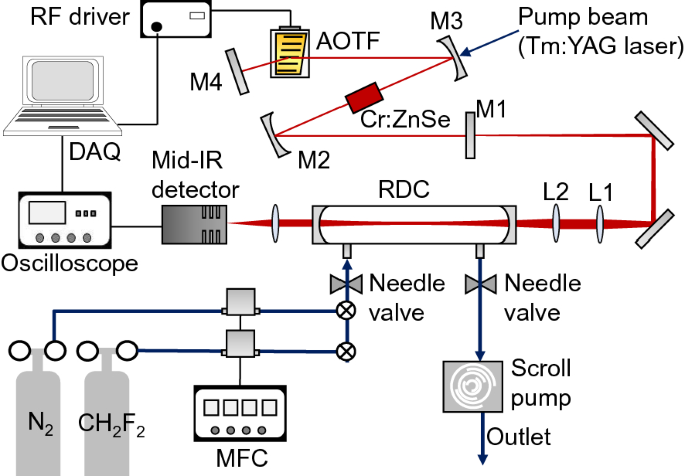
Mid-infrared-scanning cavity ring-down CH2F2 detection using electronically tuned Cr:ZnSe laser

alexandrossfakianakis shared this article with you from Inoreader

41598_2022_12019_Fig1_HTML.png

View on Web