Blog Archive

Αλέξανδρος Γ. Σφακιανάκης

Sunday, April 10, 2022

Inhibition of PDK1 enhances radiosensitivity and reverses epithelial–mesenchymal transition in nasopharyngeal carcinoma

alexandrossfakianakis shared this article with you from Inoreader

Abstract

Background

Radioresistance challenges the clinical outcomes of nasopharyngeal carcinoma (NPC). The 3-phosphoinositide-dependent protein kinase 1 (PDK1) is a crucial kinase of PI3K/AKT signaling pathway which has been implicated in the process of radioresistance. However, the role of PDK1 in NPC remains largely unclear.

Methods

The expression of PDK1 was determined by immunohistochemistry and Western blot. The effects of RNA interference and pharmacologic inhibitor of PDK1 in combination with irradiation were investigated.

Results

Overexpression of PDK1 was correlated with poor prognosis in patients with NPC. PDK1 depletion enhanced radiosensitivity of NPC cells both in vitro and in vivo. Additionally, a specific PDK1 inhibitor also had the potential to enhance radiosensitivity in radioresistant NPC cells. Mechanistically, PDK1 depletion inhibited various targets of AKT including mTOR and GSK-3β and reversed the epithelial–mesenchymal transition.

Conclusions

These findings indicated that PDK1 might be a potential target for NPC.

View on the web

The effect of intranasal insulin on appetite and mood in women with and without obesity: an experimental medicine study

alexandrossfakianakis shared this article with you from Inoreader

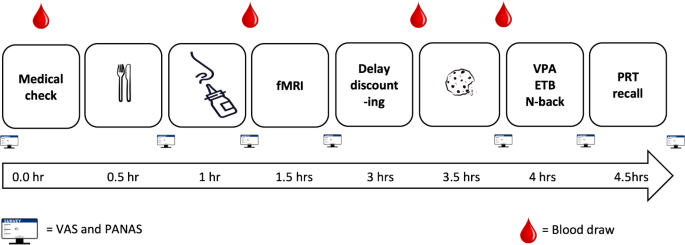
41366_2022_1115_Fig1_HTML.png

International Journal of Obesity, Published online: 09 April 2022; doi:10.1038/s41366-022-01115-1

The effect of intranasal insulin on appetite and mood in women with and without obesity: an experimental medicine study
View on the web

Does closed-loop automated oxygen control reduce the duration of mechanical ventilation? A randomised controlled trial in ventilated preterm infants

alexandrossfakianakis shared this article with you from Inoreader

13063.jpg

Many preterm infants require supplemental oxygen in the newborn period but experience frequent fluctuations of their oxygen saturation levels. Intermittent episodes of hypoxia or hyperoxia increase the risk of...
View on the web

Analysis of implant loss risk factors after simultaneous guided bone regeneration: A retrospective study of 5404 dental implants

alexandrossfakianakis shared this article with you from Inoreader

Abstract

Purpose

The purpose was to analyze the risk factors for implant loss after simultaneous guided bone regeneration (GBR).

Materials and Methods

Patients who underwent implant placement with simultaneous GBR between January 2011 and December 2018 were screened for this study. The cumulative survival rate (CSR) was calculated using the life table method. Log-rank test and Kaplan–Meier survival estimates were used to identify potential risk factors for implant loss. The association between the investigated variables and implant loss was determined using hazard ratios (HRs) obtained from a multivariate Cox regression analysis.

Results

A total of 3973 patients with 5404 implants were included in this study. The CSRs of the implants at 1, 5, and 10 years were 99.6%, 98.9%, and 98.7%, respectively. Male patient (HR = 2.94, 95% CI: 1.41–6.14), periodontitis (HR = 4.26, 95% CI: 2.05–9.86), tissue-level implants (HR = 3.02, 95% CI: 1.30–6.98), narrow implants (HR = 2.71, 95% CI: 1.12–6.57), and implant length ≤10 mm (HR = 2.91, 95% CI: 1.41–6.02) significantly increased the risk of implant loss (p < 0.05). The risk of implant loss was significantly higher in the maxillary posterior region (HR = 2.26, 95% CI: 1.04–4.90) than in the maxillary anterior region (p < 0.05). Compared to Straumann, Nobel (HR = 4.07, 95% CI: 1.75–9.44) and other implant systems (HR = 14.23, 95% CI: 4.32–46.85) showed a significantly higher risk of implant loss (p < 0.05).

Conclusion

Male patient, periodontitis, maxillary posterior region, Nobel implant system, other implant systems, tissue-level implants, narrow implants, and implant length ≤10 mm were considered risk factors for implant loss after simultaneous GBR.

View on the web

Laryngoscopic Findings of Age‐related Vocal Fold Atrophy are Reliable but not Specific

alexandrossfakianakis shared this article with you from Inoreader

Abstract

Objectives

We aimed to evaluate the reliability of laryngoscopic features of vocal fold atrophy as assessed by novice otolaryngology trainees and expert laryngologists.

Design

Two expert fellowship-trained laryngologists and three non-expert otolaryngology resident trainees were recruited to view 50 anonymized laryngo-stroboscopic examinations of patients presenting with dysphonia and non-voice, laryngeal complaints. Reviewers were asked to stratify the patient's age, provide an opinion about the presence of age-related vocal fold atrophy, and specify which laryngoscopy features were present to make the diagnosis.

Setting

Tertiary care laryngology practice.

Participants

Two fellowship-trained laryngologists and three trainee otolaryngologists.

Main outcome measures

Accuracy of age categorization was determined and Kappa analysis was performed to assess inter-rater agreement.

Results

The mean age of patients was 54.9 years old with near equal male to female distribution. The overall accuracy of age category determination by raters was only 30.8%. Kappa analysis demonstrated fair agreement regarding the presence of vocal fold atrophy in non-expert reviewers, and moderate agreement amongst expert reviewers. Features of glottic gap, muscular atrophy of vocal folds, and prominent vocal processes were all identified with high agreement (>80.0%).

Conclusion

Our study illustrates that while raters can agree on the presence of age-related vocal fold atrophy, the findings may be non-specific and do not necessarily correlate with age.

View on the web

Tooth‐cusp preservation with lithium disilicate onlay restorations: A fatigue resistance study

alexandrossfakianakis shared this article with you from Inoreader

Abstract

Objectives

This study examined the in vitro fatigue resistance of maxillary premolars with 2 mm or 3 mm preserved cusp thicknesses restored with lithium disilicate onlays.

Materials and Methods

Premolars(N = 48) were divided into six groups. Onlays for groups 1 to 4 preserved a 3 mm functional (G1), 2 mm functional (G2), 3 mm nonfunctional (G3), or 2 mm nonfunctional (G4) buccal-lingual cusp width. Onlays for group 5 (G5, control) replaced both cusps. Group 6 (G6) samples were identical to G1 with added retentive boxes. Lithium disilicate onlays were exposed to thermocycling (10 000 cycles, 5°C-55°C, 30s/cycle) and mechanical loading (1.2 million cycles at 1.4 Hz and 70 N). All samples were examined for onlay debonding or cusp or onlay fracture.

Results

Failure rates were 75%(G1), 0.0%(G2), 12.5%(G3), 0.0%(G4), 0.0%(G5), and 0.0%(G6). The difference in percent failure between the groups preserving the functional cusps (37.5%) and the groups preserving the nonfunctional cusps (6.3%) was statistically significant (P = .04; 95%CI:2.11-55.66). No cusp or restoration fractures were observed; all failures were due to debonding of the restoration.

Conclusion

Teeth with thin remaining cusps that were restored with bonded lithium disilicate onlay restorations were not prone to fracture. Retentive preparation features that physically eliminated lateral displacement prevented onlay debonding even though the ceramic-enamel margin was directly at the occlusal contact.

Clinical significance

The use of adhesively retained lithium disilicate ceramic onlays may be a viable alternative to full coverage restorations and may challenge traditionally accepted principals related to preparation resistance and retention form of ceramic partial coverage restorations.

View on the web

Status of IDH mutations in chondrosarcoma of the jaws

alexandrossfakianakis shared this article with you from Inoreader
The aim was to analyse the relationship between mutations of the isocitrate dehydrogenase gene (IDH) and clinical characteristics of chondrosarcoma of the jaw in order to provide new information on its molecular pathology. Tissue samples were collected from 25 patients diagnosed with chondrosarcoma of the jaw. IDH mutations were detected through polymerase chain reaction and direct sequencing. Clinicopathological data were analysed retrospectively. The study included 14 female and 11 male patients; the median patient age was 38 years. (Source: International Journal of Oral and Maxillofacial Surgery)
View on the web