Blog Archive

Αλέξανδρος Γ. Σφακιανάκης

Sunday, November 15, 2020

ASPIRE trial: study protocol for a double-blind randomised controlled trial of aspirin for overheating during exercise in multiple sclerosis

Alexandros G.Sfakianakis shared this article with you from Inoreader

bmjopen-default-cover.png

Introduction

The many benefits of exercise for persons with multiple sclerosis (MS) are well established, yet patients often refrain from exercise due to overheating and exhaustion. The present randomised controlled trial tests aspirin (acetylsalicylic acid (ASA)) as a convenient method to prevent overheating and improve exercise performance in persons with MS. The effects of ASA are compared with those of acetaminophen (APAP) and placebo.

Methods and analysis

Participants are seen for a laboratory maximal exercise test on 3 separate days separated by at least 1 week. At each session, body temperature is measured before oral administration of a standard adult dose (650 mg) of ASA, APAP or placebo. One hour after drug administration, participants perform a maximal ramp test on a cycle ergometer. Primary outcomes are (a) time to exhaustion (that is, time spent cycling to peak exertion) and (b) body temperature change. Crossover analyses will include tests for effects of treatment, period, treatment–period interaction (carryover effect) and sequence.

Ethics and dissemination

Ethical approval was granted by the institutional review board at Columbia University Irving Medical Center (reference: AAAS2529). Results of the trial will be published in peer-reviewed scientific journals and presented at national and international conferences. Neurologists, physiatrists, primary care physicians and physiotherapists are important stakeholders and will be targeted during dissemination. Positive trial results have the potential to promote aspirin therapy, an inexpensive and readily available treatment, to reduce overheating and allow more persons with MS to benefit from exercise.

Trial registration number

NCT03824938.

View on the web

Cancers, Vol. 12, Pages 3377: Tumor Microenvironment and Immunotherapy Response in Head and Neck Cancer

Alexandros G.Sfakianakis shared this article with you from Inoreader
Μέσω Cancers

cancers-12-03377-ag-550.jpg

Cancers, Vol. 12, Pages 3377: Tumor Microenvironment and Immunotherapy Response in Head and Neck Cancer

Cancers doi: 10.3390/cancers12113377

Authors: Panagiota Economopoulou Ioannis Kotsantis Amanda Psyrri

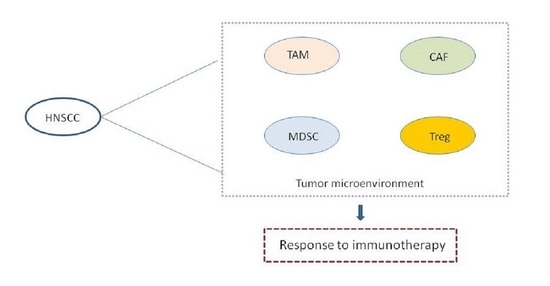
The tumor microenvironment (TME) encompasses cellular and non-cellular components which play an important role in tumor evolution, invasion, and metastasis. A complicated interplay between tumor cells and adjacent TME cells, such as stromal cells, immune cells, inflammatory cells, and cytokines, leads to severe immunosuppression and the proliferation of cancer cells in several solid tumors. An immunosuppressive TME has a significant impact on treatment resistance and may guide response to immunotherapy. In head and neck cancer (HNC), immunotherapeutic drugs have been incorporated in everyday clinical practice. However, despite an exceptional rate of durable responses, only a low percentage of patients respond. In this review, we will focus on the complex interactions occurring in this dynamic system, the TME, which orchestrate key events that lead to tumor progression, immune escape, and resistance. Furthermore, we will summarize current clinical trials that depict the TME as a p otential therapeutic target for improved patient selection.

View on the web

Cancers, Vol. 12, Pages 3378: The Non-Coding Landscape of Cutaneous Malignant Melanoma: A Possible Route to Efficient Targeted Therapy

Alexandros G.Sfakianakis shared this article with you from Inoreader
Μέσω Cancers

cancers-12-03378-ag-550.jpg

Cancers, Vol. 12, Pages 3378: The Non-Coding Landscape of Cutaneous Malignant Melanoma: A Possible Route to Efficient Targeted Therapy

Cancers doi: 10.3390/cancers12113378

Authors: Andreea D. Lazăr Sorina Dinescu Marieta Costache

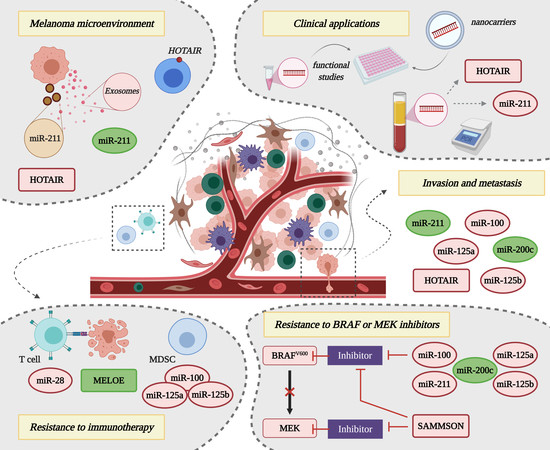
Considered to be highly lethal if not diagnosed in early stages, cutaneous malignant melanoma is among the most aggressive and treatment-resistant human cancers, and its incidence continues to rise, largely due to ultraviolet radiation exposure, which is the main carcinogenic factor. Over the years, researchers have started to unveil the molecular mechanisms by which malignant melanoma can be triggered and sustained, in order to establish specific, reliable biomarkers that could aid the prognosis and diagnosis of this fatal disease, and serve as targets for development of novel efficient therapies. The high mutational burden and heterogeneous nature of melanoma shifted the main focus from the genetic landscape to epigenetic and epitranscriptomic modifications, aiming at elucidating the role of non-coding RNA molecules in the fine tuning of melanoma progression. Here we review the contribution of microRNAs and lncRNAs to melanoma invasion, metastasis and acquired drug resistance, highlighting their potential for clinical applications as biomarkers and therapeutic targets.

View on the web

Cancers, Vol. 12, Pages 3379: Osteopontin: A Key Regulator of Tumor Progression and Immunomodulation

Alexandros G.Sfakianakis shared this article with you from Inoreader
Μέσω Cancers

cancers-12-03379-ag-550.jpg

Cancers, Vol. 12, Pages 3379: Osteopontin: A Key Regulator of Tumor Progression and Immunomodulation

Cancers doi: 10.3390/cancers12113379

Authors: Hannah R. Moorman Dakota Poschel John D. Klement Chunwan Lu Priscilla S. Redd Kebin Liu

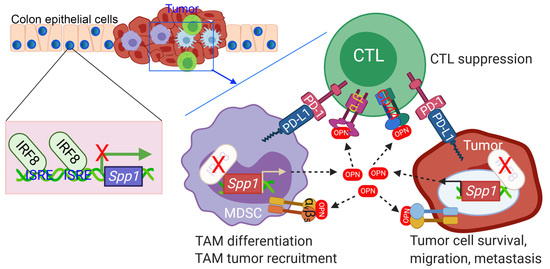
OPN is a multifunctional phosphoglycoprotein expressed in a wide range of cells, including osteoclasts, osteoblasts, neurons, epithelial cells, T, B, NK, NK T, myeloid, and innate lymphoid cells. OPN plays an important role in diverse biological processes and is implicated in multiple diseases such as cardiovascular, diabetes, kidney, proinflammatory, fibrosis, nephrolithiasis, wound healing, and cancer. In cancer patients, overexpressed OPN is often detected in the tumor microenvironment and elevated serum OPN level is correlated with poor prognosis. Initially identified in activated T cells and termed as early T cell activation gene, OPN links innate cells to adaptive cells in immune response to infection and cancer. Recent single cell RNA sequencing revealed that OPN is primarily expressed in tumor cells and tumor-infiltrating myeloid cells in human cancer patients. Emerging experimental data reveal a key role of OPN is tumor immune evasion through regulating macrophage polari zation, recruitment, and inhibition of T cell activation in the tumor microenvironment. Therefore, in addition to its well-established direct tumor cell promotion function, OPN also acts as an immune checkpoint to negatively regulate T cell activation. The OPN protein level is highly elevated in peripheral blood of human cancer patients. OPN blockade immunotherapy with OPN neutralization monoclonal antibodies (mAbs) thus represents an attractive approach in human cancer immunotherapy.

View on the web

Cancers, Vol. 12, Pages 3381: Outcome of Targeted Therapy Recommendations for Metastatic and Recurrent Head and Neck Cancers

Alexandros G.Sfakianakis shared this article with you from Inoreader
Μέσω Cancers

cancers-12-03381-g001-550.jpg

Cancers, Vol. 12, Pages 3381: Outcome of Targeted Therapy Recommendations for Metastatic and Recurrent Head and Neck Cancers

Cancers doi: 10.3390/cancers12113381

Authors: Hossein Taghizadeh Robert M. Mader Leonhard Müllauer Thorsten Fuereder Alexandra Kautzky-Willer Gerald W. Prager

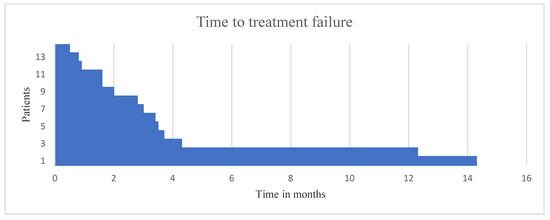
Recurrent/metastatic (R/M) head and neck cancers bear a poor prognosis. In this analysis, we examined the efficacy and the outcome of targeted therapy recommendations based on the patients’ molecular tumor portrait after failure of all standard therapy options. In this single-center, real-world retrospective analysis of our platform for precision medicine, we analyzed the molecular profile of 50 patients diagnosed with R/M head and neck cancer. Tumor samples of the patients were examined using next-generation sequencing panels of mutation hotspots, microsatellite instability (MSI) testing, and immunohistochemistry (IHC). In 31 cases (62.0% of all patients), a molecular-driven targeted therapy approach was recommended. Eventually, 14 patients (28%) received the suggested targeted therapy. Six of fourteen patients (43%) achieved stable disease conditions and four patients (29%) experienced a progressive disease. The median time to treatment failure was 2.8 months. Therapy recommendations were significantly more often issued for men (p = 0.037) than for women. This analysis demonstrated that precision medicine provided the basis for molecular-driven therapy recommendations in over half of the patients with advanced therapy refractory head and neck cancers, with significantly more therapy recommendations for men. Our analysis showed that although precision medicine approaches are implementable and feasible for the management of recurrent/metastatic head and neck cancers in daily clinical routine, there are major limitations and challenges that have to be overcome.

View on the web

Cancers, Vol. 12, Pages 3380: Cancer-Associated Angiogenesis: The Endothelial Cell as a Checkpoint for Immunological Patrolling

Alexandros G.Sfakianakis shared this article with you from Inoreader
Μέσω Cancers

cancers-12-03380-g001-550.jpg

Cancers, Vol. 12, Pages 3380: Cancer-Associated Angiogenesis: The Endothelial Cell as a Checkpoint for Immunological Patrolling

Cancers doi: 10.3390/cancers12113380

Authors: Antonio Giovanni Solimando Simona De Summa Angelo Vacca Domenico Ribatti

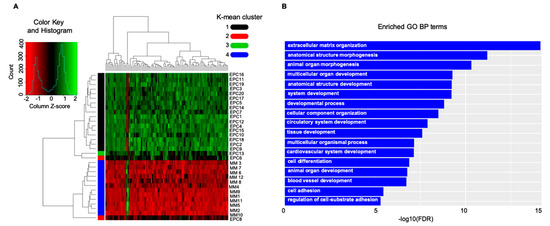
Cancer-associated neo vessels’ formation acts as a gatekeeper that orchestrates the entrance and egress of patrolling immune cells within the tumor milieu. This is achieved, in part, via the directed chemokines’ expression and cell adhesion molecules on the endothelial cell surface that attract and retain circulating leukocytes. The crosstalk between adaptive immune cells and the cancer endothelium is thus essential for tumor immune surveillance and the success of immune-based therapies that harness immune cells to kill tumor cells. This review will focus on the biology of the endothelium and will explore the vascular-specific molecular mediators that control the recruitment, retention, and trafficking of immune cells that are essential for effective antitumor immunity. The literature revision will also explore how abnormalities in the tumor endothelium impair crosstalk with adaptive immune cells and how targeting these abnormalities can improve the success of immune-based therapies for different malignancies, with a particular focus on the paradigmatic example represented by multiple myeloma. We also generated and provide two original bio-informatic analyses, in order to sketch the physiopathology underlying the endothelial–neoplastic interactions in an easier manner, feeding into a vicious cycle propagating disease progression and highlighting novel pathways that might be exploited therapeutically.

View on the web

Clinical Challenges in the Management of Hormone Receptor-Positive, Human Epidermal Growth Factor Receptor 2-Negative Metastatic Breast Cancer: A Literature Review

Alexandros G.Sfakianakis shared this article with you from Inoreader

12325.jpg

Abstract

Endocrine therapy (ET) is integral to the treatment of hormone receptor-positive (HR+), human epidermal growth factor receptor 2-negative (HER2−) metastatic breast cancer (MBC). Aromatase inhibitors (AIs; e.g., anastrozole, letrozole, exemestane), selective estrogen receptor modulators (e.g., tamoxifen), and the selective estrogen receptor degrader, fulvestrant, inhibit tumor cell proliferation by targeting ER signaling. However, the efficacy of ET could be limited by intrinsic and acquired resistance mechanisms, which has prompted the development of targeted agents and combination strategies. In recent years, the treatment landscape for HR+, HER2− MBC has evolved rapidly. AIs, historically the first-line treatment for postmenopausal patients with HR+, HER2− MBC, have been challenged by more effective ET, such as fulvestrant alone or in combination with an AI, and the cyclin-dependent kinase (CDK)4/6 inhibitors, which have increasingly become the new standa rd of care. For endocrine-resistant disease (≥ second-line), clinical trials demonstrated that the mammalian target of rapamycin inhibitor, everolimus, enhanced the efficacy of exemestane or fulvestrant after progression on an AI. CDK4/6 inhibitors in combination with fulvestrant have demonstrated superior progression-free survival and overall survival versus fulvestrant alone. Recently, the combination of fulvestrant with alpelisib in phosphatidylinositol-4,5-bisphosphate 3-kinase (PIK3CA) mutated HR+, HER2− MBC following progression on or after ET was approved, based on the SOLAR-1 study. However, the optimal sequencing of treatments is unknown, especially following disease progression on a CDK4/6 inhibitor. This review aims to provide practical guidance for the management of HR+, HER2− MBC based on available data and the utility of genomic biomarkers, including germline breast cancer genes 1 and 2 (BRCA1/2) mutations, and somatic estrogen receptor alpha gene (ESR1), HER2, and PIK3CA mutations.


View on the web